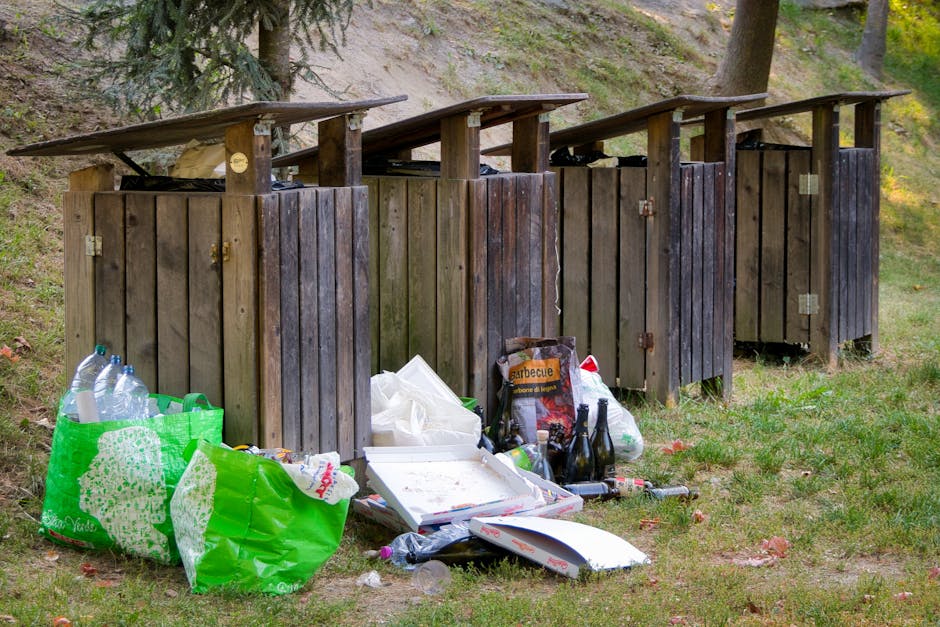
Common problems with bulky rubbish collection in SE11

If you have ever stared at an old sofa in the hall, a broken wardrobe in the bedroom, or a pile of flat-pack offcuts in the doorway and thought, "Right, how is this getting out of here?", you are not alone. Common problems with bulky rubbish collection in SE11 tend to show up at the worst possible time: when access is awkward, time is tight, and the item is heavier than it looked at first glance.
This guide breaks down the practical issues people run into in SE11, why they happen, and what to do about them. We will look at collection delays, access problems, sorting mistakes, safety risks, and the simple steps that make the whole process far less stressful. To be fair, bulky waste sounds straightforward until you actually have to move it. Then the story changes a bit.
Why Common problems with bulky rubbish collection in SE11 matters
In SE11, bulky waste often means more than "something big." It can include furniture, mattresses, broken appliances, renovation offcuts, garden waste, office items, or the clutter that accumulates during a move or clear-out. The practical issue is not just size. It is access, timing, sorting, and whether the waste can be lifted safely without damaging walls, lifts, stairwells, or your back.
SE11 brings its own realities. There are mansion blocks, converted flats, narrow internal staircases, basement entrances, shared courtyards, permit-controlled streets, and the occasional van-friendly route that is not actually van-friendly at all. That combination is exactly why bulky rubbish collection can become messy fast. One missed detail, and suddenly a simple job turns into a half-day puzzle.
There is also a cost to getting it wrong. Missed collections can mean extra waiting, extra handling, and extra stress. Worse, placing large items out incorrectly can attract complaints from neighbours or leave waste sitting around longer than planned. If you need a broader service for mixed items, a general waste removal service is often more flexible than trying to force everything into a one-size-fits-all collection slot.
Key point: bulky rubbish is easiest to deal with when you plan for access, lifting, sorting, and disposal before collection day, not after the items are already in the hallway.
How Common problems with bulky rubbish collection in SE11 works
At a basic level, bulky rubbish collection is the removal of large household or commercial items that are too awkward for normal bins. In practice, though, the process usually follows a few steps: identify what needs removing, check access, confirm the collection method, separate reusable or recyclable items, and arrange disposal. Simple enough on paper. Less simple when the wardrobe will not fit through the landing.
The most common problems usually appear in one of three places:
- Before collection: items are not prepared, measured, or sorted properly.
- During collection: the crew cannot safely move the item because of tight access, stairwells, parking, or weight.
- After collection: the waste is not handled in the way the customer expected, especially where recycling, reuse, or proof of disposal matters.
If the items are furniture-heavy, it may be worth looking at furniture clearance or furniture disposal rather than treating everything as generic rubbish. That distinction matters more than people think. A bookcase is not just a bookcase when it is blocking a narrow hallway at 8:15 on a weekday morning.
For properties with stairs, shared entrances, or limited floor space, a flat clearance approach can be a better fit because it takes access constraints into account from the start.
Key benefits and practical advantages
When bulky rubbish is handled well, the benefits are obvious, but the less obvious ones are just as useful. Yes, you get rid of the item. But you also reduce disruption, avoid injuries, and free up space without spending the whole weekend hauling things downstairs.
- Less physical strain: large items can be moved using proper lifting methods and suitable equipment.
- Fewer delays: a well-planned collection is less likely to be turned away or postponed.
- Cleaner, safer rooms: blocked corridors and stacked rooms are easier to trip over than people admit.
- Better recycling potential: sorting items properly can improve the chance that materials are recovered.
- Reduced neighbour friction: quick removal means fewer complaints about clutter, noise, or obstruction.
There is also a practical mental benefit. A clear room changes how the whole property feels. You notice it most when sunlight reaches the floor again, or when a once-cramped spare room suddenly looks usable. A tiny victory, maybe, but still a victory.
For larger clear-outs, especially where several types of waste are mixed together, a broader home clearance can save time because it deals with multiple item types in one coordinated visit. Businesses may find that business waste removal is more suitable when office furniture, packaging, and general waste all need to be taken away together.
Who this is for and when it makes sense
Bulky rubbish collection in SE11 is not just for people in the middle of a full house move. It is useful for all sorts of everyday situations. Truth be told, the need usually appears at awkward times: after a tenant leaves, before a refurbishment, after a burst pipe, or when a garage finally gets emptied out.
This matters for:
- Homeowners clearing out old furniture, white goods, or loft clutter.
- Tenants and landlords needing fast, tidy removal between occupancies.
- Flat residents dealing with limited access and shared entrances.
- Offices replacing desks, chairs, filing units, and miscellaneous equipment.
- Builders and renovators handling mixed rubble, timber, and packaging.
- Garden owners dealing with shed waste, soil sacks, or broken outdoor items.
If your situation involves stacked items in a garage, a garage clearance is often the most sensible route. For roofs or storage spaces that have quietly become miniature museums of forgotten stuff, loft clearance can be a far better match. And if the problem started after a strip-out or refurbishment, builders waste clearance usually fits the job more cleanly than a standard bulky item pickup.
Ask yourself one simple question: do you need a single large item gone, or do you need a proper clean sweep of mixed waste? That answer usually determines the right service. Not glamorous, but useful.
Step-by-step guidance
Here is a practical way to handle bulky rubbish in SE11 without creating extra headaches. It is not fancy, but it works.
- List every item clearly. Include size, weight, and whether it can be dismantled.
- Check access from room to vehicle. Measure doorways, stairs, lifts, tight corners, and any shared access points.
- Separate special items early. Furniture, electricals, green waste, and builders waste may need different handling.
- Take photos if helpful. A quick set of photos can prevent misunderstandings and save time on the day.
- Clear the path. Move smaller objects, rugs, and anything that could cause a stumble.
- Confirm parking or loading access. In SE11, this can make or break the timing of the visit.
- Keep valuables and personal paperwork separate. Especially in mixed household clearances. Easy to forget, annoyingly easy.
- Ask about recycling and disposal handling. If sustainability matters to you, make that clear before collection.
A small example: someone clearing a second-floor flat may assume a wardrobe can be carried out in one piece. Then the landing turns out to be too narrow and the lift too small. If the item can be dismantled safely beforehand, the job becomes much simpler. If not, a specialist team needs to plan for it. Either way, knowing that before collection day saves a lot of friction.
Expert tips for better results
These are the kinds of small details that make bulky rubbish collection feel smooth instead of chaotic.
- Disassemble first where safe. Remove legs, doors, shelves, or cushions if that makes the item easier to move.
- Group items by type. Keep furniture, mixed household waste, and garden debris separated when possible.
- Protect walls and floors. Old blankets, cardboard, or corner guards can help in tight stairwells.
- Leave clear access to the item. A narrow corridor with bags, shoes, and prams everywhere is a classic delay point.
- Be honest about weight and awkwardness. Heavy does not always mean large, and small items can still be nasty to move.
One more thing: if you are clearing furniture with significant wear, moisture damage, or upholstery damage, say so upfront. Not because the item is "problematic" in a dramatic sense, but because crews need to know what they are handling. A damp armchair from a basement feels very different from a dry dining chair. You can practically smell the difference sometimes.
For businesses, a tidy schedule helps too. Coordinating with office clearance can avoid interruption to staff, visitors, or deliveries. That sort of planning sounds obvious, yet it is exactly what gets skipped when everyone is busy.
Common mistakes to avoid
The same mistakes keep appearing with bulky waste, and they are usually easy to avoid once you know what to look for.
- Leaving everything until the last minute. Rushed sorting often leads to missed items or access problems.
- Assuming all large items are handled the same way. A mattress, a fridge, and a broken wardrobe are not identical jobs.
- Blocking hallways or exits. This creates safety issues and slows the collection down.
- Forgetting about parking or loading restrictions. Particularly relevant in central London streets.
- Not checking what should be kept back. Personal documents, keys, chargers, and small valuables get left behind more often than people expect.
- Choosing the cheapest option without checking what is included. Low headline prices can hide extra handling or access charges.
Let's face it, bulky rubbish is one of those jobs where "we'll deal with it on the day" can turn into "why is this still here three days later?" A bit of prep avoids that story.
If the problem involves a full property emptying rather than a few large items, a house clearance or furniture disposal service may be more efficient than separate ad hoc removals.
Tools, resources and recommendations
You do not need a warehouse of equipment to manage bulky rubbish properly, but a few basic tools help a lot.
- Measuring tape: for checking door widths, stair turns, and item dimensions.
- Gloves: useful for rough edges, splinters, and dusty surfaces.
- Strong tape or zip ties: to secure loose drawers, cables, or doors.
- Blankets or cardboard sheets: for protecting floors and bannisters.
- Labels or notes: for marking what is to stay, what is to go, and what needs special care.
From a service perspective, these pages can also help you choose the right route depending on the type of waste: furniture clearance, garden clearance, garage clearance, loft clearance, and builders waste clearance. Each one deals with a different kind of mess, and that distinction genuinely matters.
For readers who want to understand the wider business behind the service, the company's recycling and sustainability approach can also be a useful reference point, especially if you care about how reusable materials are treated.
Law, compliance, standards and best practice
Bulky rubbish collection may feel like a practical household job, but there is still a compliance angle. In the UK, waste needs to be handled responsibly, and duty of care principles apply to how waste is stored, moved, transferred, and disposed of. You do not need to become a legal expert to get this right, but you do need to use reputable waste handling practices.
In plain English, that means:
- waste should be passed to a legitimate carrier or operator,
- items should not be fly-tipped or left somewhere unsafe,
- hazardous or awkward items should be identified early,
- recycling should be considered before disposal where practical,
- staff or residents should not be put at unnecessary risk during lifting or loading.
For commercial settings, keeping a clear process matters even more. Office clear-outs, retail storage clearances, and landlord-managed properties can all involve mixed waste streams, tenancy obligations, and health and safety responsibilities. If you are planning a larger or repeat clearance, it is worth reviewing the provider's health and safety policy and insurance and safety information. Those pages are not glamorous, granted, but they are the sort of thing you are glad you checked later.
Best practice also includes clear pricing, clear scope, and clear communication. If something feels vague, ask questions before the van arrives. A straightforward provider should be able to explain what is included, what is not, and how the collection will be carried out. No drama.
Options, methods and comparison table
There is more than one way to deal with bulky rubbish, and the best option depends on the item, the access, and how much sorting is needed.
| Method | Best for | Strengths | Potential drawbacks |
|---|---|---|---|
| Single bulky item pickup | One or two large items | Simple, quick, low admin | Not ideal for mixed waste or multiple rooms |
| Furniture-specific clearance | Sofas, beds, wardrobes, tables | Good for awkward household items | Less suitable for builders waste or garden debris |
| Full-property clearance | House moves, probate, end-of-tenancy | Covers a lot in one visit | Requires more planning and sorting |
| Specialist waste removal | Mixed waste, refurb jobs, business waste | Flexible and efficient for varied loads | Needs clear item descriptions upfront |
If you are deciding between these, think about the awkwardness of the item, not just the quantity. A single heavy filing cabinet can be more difficult than a small pile of bagged waste. Oddly enough, the "small job" can be the one that causes the biggest headache.
Case study or real-world example
Here is a realistic SE11-style scenario. A couple in a top-floor flat wanted to remove a broken sofa, a mattress, and a couple of old cabinets before guests arrived. Easy enough, they thought. But the staircase had a tight turn, the lift was too small, and one cabinet was still full of books. Not ideal.
What made the difference was preparation. They cleared the hallway, emptied the cabinet in advance, measured the widest points of the route, and grouped the smaller items together. They also checked parking access near the building entrance so the team could work without wasting time circling the block. The collection itself was still a bit of a shuffle, but it became manageable instead of chaotic.
The lesson is simple: bulky rubbish collection goes better when the route is planned just as carefully as the item itself. The item is only half the story. The other half is how it gets from room to vehicle without a scratched wall, a strained shoulder, or a last-minute delay.
In other words, if you can imagine yourself saying "it'll be fine" while standing in a narrow hallway with a wardrobe, that is probably the point where a little planning will save you a lot of grief.
Practical checklist
Use this quick checklist before your bulky rubbish collection in SE11.
- Identify every item that needs removing.
- Check whether any item can be dismantled safely.
- Measure stairways, doorways, and lifts.
- Confirm parking or loading access.
- Separate furniture, general waste, garden waste, and builders waste where possible.
- Remove personal belongings from drawers, cupboards, and pockets.
- Clear the route from the item to the exit.
- Protect floors or bannisters if the route is tight.
- Ask about recycling, reuse, and disposal handling.
- Double-check the collection time and any special instructions.
That is the bare minimum, really. A few extra minutes spent now can save a lot of back-and-forth later.
Get a free quote today and see how much you can save.
Conclusion
The most common problems with bulky rubbish collection in SE11 are rarely mysterious. They usually come down to access, preparation, item type, timing, and communication. Once those are handled properly, the job becomes much more straightforward. The space clears, the stress drops, and the whole property feels lighter. It is a small thing in some ways, but a very satisfying one.
If you are facing a messy clear-out, start with the route, the items, and the practical details. That alone will remove most of the friction. And if the job is bigger than expected, that is fine too. It happens. Better to plan properly than wrestle with a sofa at the top of a staircase and regret every decision made before breakfast.
When you are ready, choosing the right service and preparing the space well can turn a difficult collection into a smooth, ordinary task. That is usually the real goal, after all.
Frequently Asked Questions
What are the most common problems with bulky rubbish collection in SE11?
The biggest issues are usually access, weight, parking, stairwells, item preparation, and unclear disposal requirements. In flats and converted buildings, tight corners and small lifts can make even one large item awkward.
Do I need to disassemble furniture before collection?
Not always, but it often helps. If a wardrobe, bed frame, or table can be safely dismantled, the collection is usually easier and quicker. If you are unsure, ask in advance rather than guessing on the day.
Can bulky rubbish be collected from a flat in SE11?
Yes, but flat collections often need a bit more planning because of shared access, stairs, lifts, and neighbours. A flat-specific service approach is often better when the route is tight or the item is large.
What counts as bulky waste?
Bulky waste is generally anything too large or awkward for standard household bins. That can include sofas, beds, wardrobes, mattresses, white goods, shelves, and some garden or office items.
How can I make bulky rubbish collection easier?
Measure access routes, clear the hallway, remove loose contents, group items by type, and confirm parking or loading space. A little prep really does make a big difference.
Is furniture disposal the same as bulky rubbish collection?
Not quite. Furniture disposal is more specific and usually focuses on sofas, beds, tables, and similar items. Bulky rubbish collection can cover a wider mix, including other large household or commercial waste.
What if I have mixed waste from a renovation?
Mixed renovation waste is usually better handled as builders waste clearance or general waste removal, depending on what is included. Timber, packaging, plasterboard, and old fittings are often managed differently from household furniture.
Will bulky rubbish collection include recycling?
It often can, depending on the items and the provider's handling process. Reusable and recyclable materials are usually separated where practical, but not every item can be recovered.
Why is access such a big issue in SE11?
Because many properties in the area have narrow staircases, shared entrances, limited parking, or compact internal layouts. A collection can be straightforward in one building and tricky in the next door, which is why measurements matter.
What should I ask before booking a collection?
Ask what is included, how access is handled, whether dismantling is needed, how disposal is managed, and whether there are any extra charges for awkward items. Clear answers now prevent awkward surprises later.
Is it better to use a clearance service for a full property?
If you have several rooms of items, yes, a clearance service is often more efficient. For example, a house clearance or home clearance is usually more practical than arranging separate pickups for each item.
How far in advance should I arrange bulky rubbish collection?
As early as you can, especially if the property has difficult access or you are working to a deadline. If the collection is time-sensitive, planning a bit ahead reduces stress and gives you room to handle unexpected issues.
If you are still weighing up the best option, take a breath, measure the route, and start with the items that cause the most trouble. That small bit of order can make a bigger difference than you might expect.