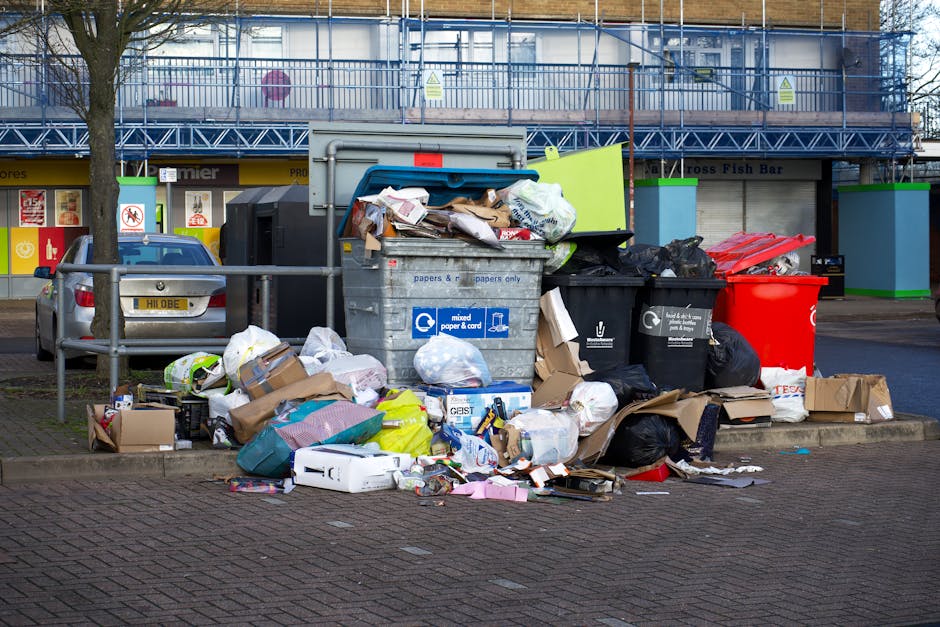
Lambeth household rubbish collection Clapham Common guide
If you live near Clapham Common, household rubbish can build up faster than you expect. A sofa that has finally given up, a loft full of forgotten boxes, a garden pile after a weekend tidy-up, or the aftermath of a move can quickly turn into a problem. This Lambeth household rubbish collection Clapham Common guide walks you through what the service is, how it typically works, what to look out for, and how to choose the most sensible route for your home.
Truth be told, most people do not need more theory. They need to know what to do next, what is likely to cost time and effort, and how to avoid the awkward stuff: missed collections, blocked front steps, heavy lifting, or waste that should not be left out on the pavement. So let's keep this practical and local.
Whether you are clearing one bulky item or tackling a whole-property tidy-up, you will find useful steps here, plus a few plain-English checks that can save a headache later.
Table of Contents
- Why Lambeth household rubbish collection Clapham Common guide Matters
- How Lambeth household rubbish collection Clapham Common guide Works
- Key Benefits and Practical Advantages
- Who This Is For and When It Makes Sense
- Step-by-Step Guidance
- Expert Tips for Better Results
- Common Mistakes to Avoid
- Tools, Resources and Recommendations
- Law, Compliance, Standards, or Best Practice
- Options, Methods, or Comparison Table
- Case Study or Real-World Example
- Practical Checklist
- Conclusion
- Frequently Asked Questions
Why Lambeth household rubbish collection Clapham Common guide Matters
Clapham Common sits in a busy part of Lambeth where household waste can become inconvenient very quickly. Terraced streets, flats with shared access, tight parking, and busy footpaths all make rubbish collection slightly more complicated than a simple "put it out and forget it" job. If you are handling a one-off clear-out, the last thing you want is waste sitting around for days because you were not sure about the right approach.
This matters for a few reasons. First, household waste can attract pests and produce smells, especially in warmer weather. Second, bulky items can create trip hazards in hallways, front gardens, or shared entrances. And third, if rubbish is left incorrectly, it can lead to avoidable friction with neighbours, managing agents, or local enforcement. Nobody wants that on a Tuesday morning.
For many homes around Clapham Common, the real challenge is not deciding whether to remove rubbish. It is deciding how to remove it efficiently, safely, and without turning the whole thing into a weekend-long slog. That is where a clear guide helps.
If your waste includes furniture, loft clutter, garden cuttings, or mixed household items, you may also want to look at related services such as home clearance, house clearance, or flat clearance depending on the type of property and volume involved.
How Lambeth household rubbish collection Clapham Common guide Works
In simple terms, household rubbish collection means getting unwanted domestic waste removed from your property in a planned, compliant way. That may involve a council-style collection, a private waste removal service, or a specialist clearance for larger loads. The right choice depends on what you are throwing away, how much of it there is, and how quickly you need it gone.
For a normal household clear-out, the process usually starts with sorting. You separate general rubbish from reusable items, recyclable materials, electricals, and anything that needs special handling. Then you decide whether the waste can be carried out in bags or whether it needs a larger vehicle and loading support. To be fair, a surprising number of delays come from this one point alone. People underestimate weight. Then they regret it halfway down the stairs.
A good collection service will normally want a clear description of the waste, access details, and any practical concerns such as narrow stairwells, permit restrictions, or shared entrances. If the waste is part of a bigger declutter, services like garage clearance, loft clearance, or furniture disposal may be more appropriate than a general bag collection.
Where households need a broader removal solution, waste removal can be a more flexible option than trying to squeeze everything into a bin-day routine.
Key Benefits and Practical Advantages
A well-planned household rubbish collection does more than just make the place look tidier. It gives you back space, reduces stress, and helps prevent waste from becoming a nuisance. That sounds obvious, but in practice the benefits are felt in very everyday ways: you can move around safely, clean properly, and stop tripping over things you meant to deal with months ago.
Here are the main advantages worth knowing:
- Speed: You can clear space much faster than doing everything by hand over several trips.
- Less physical strain: Heavy furniture, broken appliances, and stacked bags are easier to manage with help.
- Better household organisation: Sorting waste forces you to decide what stays, what goes, and what can be reused.
- Safer access: Clear hallways, staircases, and entrances reduce trip and lift risks.
- Cleaner disposal route: Responsible removal helps ensure items are handled in line with current waste practice.
There is also a mental benefit people underestimate. A room that has been half-full of unwanted stuff can quietly weigh on you. The moment it is gone, the space feels different. Brighter. Easier to use. A bit calmer, even. Funny how that works.
For larger or specialist items, services such as furniture clearance and garden clearance can be much more efficient than trying to piece together a DIY disposal plan.
Who This Is For and When It Makes Sense
This guide is useful for anyone in or near Clapham Common who needs to remove domestic rubbish without fuss. That includes renters, homeowners, landlords, letting agents, flat sharers, and families in the middle of a move or renovation. If the waste is piling up in a hallway, shed, loft, or spare room, you probably already know the situation is not going to fix itself.
It makes sense to arrange collection when:
- you have more rubbish than your normal bins can reasonably handle;
- you are getting rid of bulky items like wardrobes, mattresses, or broken shelving;
- the property is being prepared for sale, new tenants, or refurbishment;
- you want a quick clear-out after a garden project or loft sort-out;
- you need a safer, cleaner solution than leaving bags outside and hoping for the best.
In our experience, this is often when people realise they need a more structured service. Not because they have failed somehow. Just because domestic waste has a habit of multiplying in corners and under stairs. One box becomes three. Three become a pile. And then, well, here we are.
For end-of-tenancy or moving situations, house clearance can be a practical way to deal with mixed rubbish, leftover possessions, and unwanted furniture in one go.
Step-by-Step Guidance
If you want this to go smoothly, a bit of planning makes a very real difference. The process does not have to be complicated. It just needs to be sensible.
- Walk through the property. Check every room, cupboard, shed, loft, and outdoor space. You will usually find more waste than you expected.
- Sort the items. Separate general rubbish, reusable goods, recyclables, and anything that may need special handling.
- Measure awkward pieces. Large items may need to be moved through narrow corridors or down tight stairs. Better to know now than later.
- Check access. Think about parking, lift access, shared entrances, or whether anything needs to be carried a long distance.
- Decide on the removal method. Small amounts may suit bag collection. Bigger jobs may need a full waste removal or clearance service.
- Prepare the area. Move pets, protect floors if needed, and keep pathways clear so lifting is safer and quicker.
- Confirm what is included. Make sure everyone understands what will be taken, what stays behind, and how any leftover items will be handled.
- Keep your paperwork and confirmation. For your own peace of mind, keep a record of the booking, quote, and service details.
A tiny but useful tip: place the items you are definitely throwing away in one visible area before collection day. It saves time and reduces mistakes. A confusing mix of "keep" and "take" items is where people get frustrated, and sometimes rightfully so.
Expert Tips for Better Results
If you want better value and fewer surprises, a few habits help a lot.
- Be specific about the waste type. "A few bags" and "a few bags plus two wardrobes and a dismantled desk" are very different jobs.
- Group similar items together. It helps the team load efficiently and avoids needless back-and-forth.
- Think through access before collection day. A clear walkway can make the job noticeably quicker.
- Take photos if you are unsure. This is especially useful for mixed loads, loft contents, or a cramped flat.
- Ask about recycling intent. Responsible providers should be able to explain how they handle reusable or recyclable items in broad terms.
- Do not leave hazardous items mixed in. If something is unusual, ask first. A quick question now is better than a messy problem later.
One more practical point: if your job is really a mix of several small jobs, such as household waste, an old sofa, and some garden debris, it may be worth looking at a broader service rather than booking each item separately. That is where recycling and sustainability considerations start to matter too, because a better sorting approach can reduce unnecessary disposal.
And yes, asking these questions is normal. Good providers expect them. No one should make you feel awkward for wanting to understand what happens to your waste.
Common Mistakes to Avoid
A lot of avoidable issues come down to rushing. People want the clutter gone immediately, which is fair enough, but that is exactly when details get missed.
- Leaving sorting until collection day. It slows everything down and can make pricing less clear.
- Underestimating volume. A single pile can look much smaller in a hallway than in a truck.
- Forgetting access issues. Tight staircases, basement flats, and shared entrances all matter.
- Mixing in items that need special handling. If anything is unusual, say so early.
- Assuming every service handles the same type of waste. Some jobs need a specialised clearance route.
- Not checking the service scope. You want clarity on what is taken, where it goes, and what happens if extra items appear on the day.
The most common mistake? Probably the old "we thought it would fit in one van load." It sometimes does. Often it does not. A slightly blunt lesson, but there we are.
Tools, Resources and Recommendations
You do not need a van load of gadgets to manage household rubbish, but a few simple tools can make the job much easier.
- Strong refuse sacks: Useful for general rubbish and lighter mixed waste.
- Work gloves: Important for handling broken packaging, rough timber, or dusty loft items.
- Marker pen and labels: Handy if several people are sorting what stays and what goes.
- Measuring tape: A small thing, but useful for bulky furniture and awkward access points.
- Phone camera: Good for documenting large clear-outs or sharing item details before booking.
As for service choices, if the task is mostly domestic clutter, home clearance is often a straightforward fit. If you are dealing with a room full of old equipment or files from a home office, office clearance may be more appropriate. For dusty, forgotten spaces, loft clearance can save a lot of awkward carrying.
If you want to understand the provider side a bit better before booking, the about us page is a sensible place to start, and the pricing and quotes page can help you think through the commercial side without guesswork.
Law, Compliance, Standards, or Best Practice
Household rubbish collection is not just about convenience. Waste has to be handled properly, and in the UK that means following accepted waste management practice, using suitable carriers, and avoiding fly-tipping or careless disposal. You do not need to become a compliance expert, but you should expect any provider to take waste handling seriously.
In plain English, that means:
- waste should be collected and transferred responsibly;
- mixed rubbish should be sorted where practical;
- items should not simply disappear with no clear handling process;
- hazardous or specialist items should be identified before collection;
- the service should operate with proper insurance and sensible safety practice.
It is also good practice to check safety and insurance information before you book. That is not being fussy. It is being careful. If a team is carrying heavy items through a tight stairwell in a Victorian conversion, or moving waste from a shared entrance, you want them to have thought about the risks beforehand. A little dull, maybe. But useful.
For reassurance around these topics, it can help to review a provider's health and safety policy, insurance and safety, and, if relevant to your values, their modern slavery statement. Those pages tell you something about how seriously the business treats its responsibilities.
Where payment matters, look for clear terms too. The payment and security and terms and conditions pages are worth a quick read before confirming any booking.
Options, Methods, or Comparison Table
There is no single "best" way to deal with household rubbish near Clapham Common. The right option depends on volume, urgency, and how much lifting you want to do yourself.
| Method | Best for | Pros | Things to watch |
|---|---|---|---|
| Council-style household collection | Smaller, routine domestic waste | Useful for standard disposal needs and everyday household rubbish | May not suit bulky, urgent, or mixed-clearance jobs |
| Private waste removal | Mixed waste, larger volumes, quick turnaround | Flexible, usually faster, less lifting for you | Check exactly what is included and how access is managed |
| Specialist clearance | Whole rooms, lofts, garages, furniture-heavy jobs | Good for bigger projects and awkward items | May need more detailed planning and item descriptions |
| DIY trips to disposal point | Small amounts if you already have transport | Can work for light, simple loads | Time-consuming, physically demanding, easy to underestimate |
If the waste includes old fittings or renovation leftovers, builders waste clearance may be a better fit. And if you are clearing an outdoor area after cutting back overgrowth, hedge trimmings, or soil bags, garden waste should be treated separately rather than bundled in casually.
Case Study or Real-World Example
Picture a typical Clapham Common flat on a wet Friday morning. The resident has a hallway stack of broken shelving, two bags of general rubbish, an old armchair, and a box of odds and ends from a cupboard they have been ignoring since last winter. Not a disaster, but enough to feel messy every time they walk past.
Instead of dragging everything out in a rush, they sort the items into three groups: keep, donate, and remove. They measure the armchair, check the building access, and move a couple of fragile items away from the path. The collection is planned for a time when the stairs are quieter. Simple enough, but it makes the difference between a smooth job and a stressful one.
On the day, the waste is removed in one visit. The hallway is clear again. The resident can vacuum properly, open the front window, and actually use the space without navigating a little obstacle course. Nothing dramatic happened. Which is exactly the point.
That sort of job is very common, and it shows why a household rubbish collection guide should be practical rather than flashy. Most people are just trying to get their home back in order without turning the whole thing into a saga.
Practical Checklist
Use this quick checklist before you book or arrange collection.
- Identify exactly what needs removing.
- Separate rubbish, reusable items, and anything special.
- Estimate the volume as honestly as you can.
- Check stairs, lifts, parking, and access routes.
- Measure any bulky furniture or awkward pieces.
- Ask how mixed loads are handled.
- Confirm what is included in the price or quote.
- Review safety, insurance, and payment information.
- Clear pathways and protect surfaces where sensible.
- Keep your booking confirmation and any notes handy.
If the job still feels a bit too big, that is a sign to scale up the service rather than forcing a DIY solution. There is no prize for making it harder than it needs to be.
Conclusion
A good Lambeth household rubbish collection Clapham Common guide should do one thing above all else: help you make a calm, informed decision. Whether you are clearing a single bulky item or dealing with a cluttered room, the key is to sort the waste properly, think about access, and choose a method that fits the size of the job.
For many households, the smartest route is the one that saves time, reduces lifting, and handles mixed items without stress. Keep the process simple, ask clear questions, and do not ignore the practical details. That is usually where the best results come from.
And if you are looking at a room full of bits and thinking, "I'll deal with that later," well, later has probably arrived.
Get a free quote today and see how much you can save.
When the clutter is finally gone and the space breathes again, you really do notice the difference. That quiet relief is worth aiming for.
Frequently Asked Questions
What counts as household rubbish collection in Lambeth?
It usually means the removal of domestic waste from a home, flat, or shared property. That can include bagged rubbish, bulky household items, old furniture, loft clutter, and mixed clear-out waste, depending on the service you choose.
Is this guide useful for Clapham Common flats as well as houses?
Yes. In fact, flat access, shared entrances, and stair restrictions make planning even more important in many Clapham Common properties. A flat-clearance approach can be especially helpful where access is tighter than in a house.
What is the difference between rubbish collection and house clearance?
Rubbish collection is often focused on removing waste and unwanted items. House clearance is broader and may cover whole rooms, furniture, mixed contents, and more complete property emptying. The right choice depends on how much needs to go.
Can I combine furniture and general rubbish in one collection?
Often yes, but it should be described clearly in advance. If your load includes sofas, wardrobes, or other bulky items, furniture clearance or furniture disposal may be more suitable than a basic bag collection.
How should I prepare for a collection day?
Sort items first, clear access routes, and keep anything you want to retain away from the collection area. If possible, measure larger pieces and note any stair, parking, or lift issues before the team arrives.
What if I have rubbish in my loft or garage?
Those jobs are often best handled as loft clearance or garage clearance rather than trying to shift items in small batches. Loft and garage spaces usually contain mixed clutter, dusty bags, and awkward heavy items that are much easier to remove in one organised visit.
How do I know whether a provider is trustworthy?
Look for clear service information, straightforward pricing guidance, safety and insurance details, and sensible terms. A provider that explains its process clearly is usually much easier to work with than one that avoids specifics.
Is it better to choose waste removal or a specialist clearance service?
It depends on the job. Waste removal works well for general domestic rubbish and mixed loads. Specialist clearance is often better when you are clearing a loft, garage, office, garden, or furniture-heavy space. If in doubt, describe the job in full and compare the options.
What should I do with items I'm not sure about?
Set them aside and ask before collection. That is especially important for anything unusual, bulky, broken, or potentially sensitive. A quick question now can prevent delays later.
Can a household rubbish collection help if I'm moving out?
Definitely. Moving often reveals more clutter than expected, and a planned clearance can remove leftover items, broken furniture, and random household waste before handover. It can make the final day feel less chaotic, which is always welcome.
Are there safety things I should think about before removal?
Yes. Keep walkways clear, lift carefully, and do not mix in items that need special handling without checking first. If the property has tight stairs, shared corridors, or awkward corners, planning matters even more. Small thing, big difference.
Where can I learn more about the company behind these services?
You can start with the about us page for background, then review recycling and sustainability, payment and security, and contact us if you want to make an enquiry.